Here you can read past volumes of HelloGitHub Monthly by category. You are currently viewing the HelloGitHub Python collection.
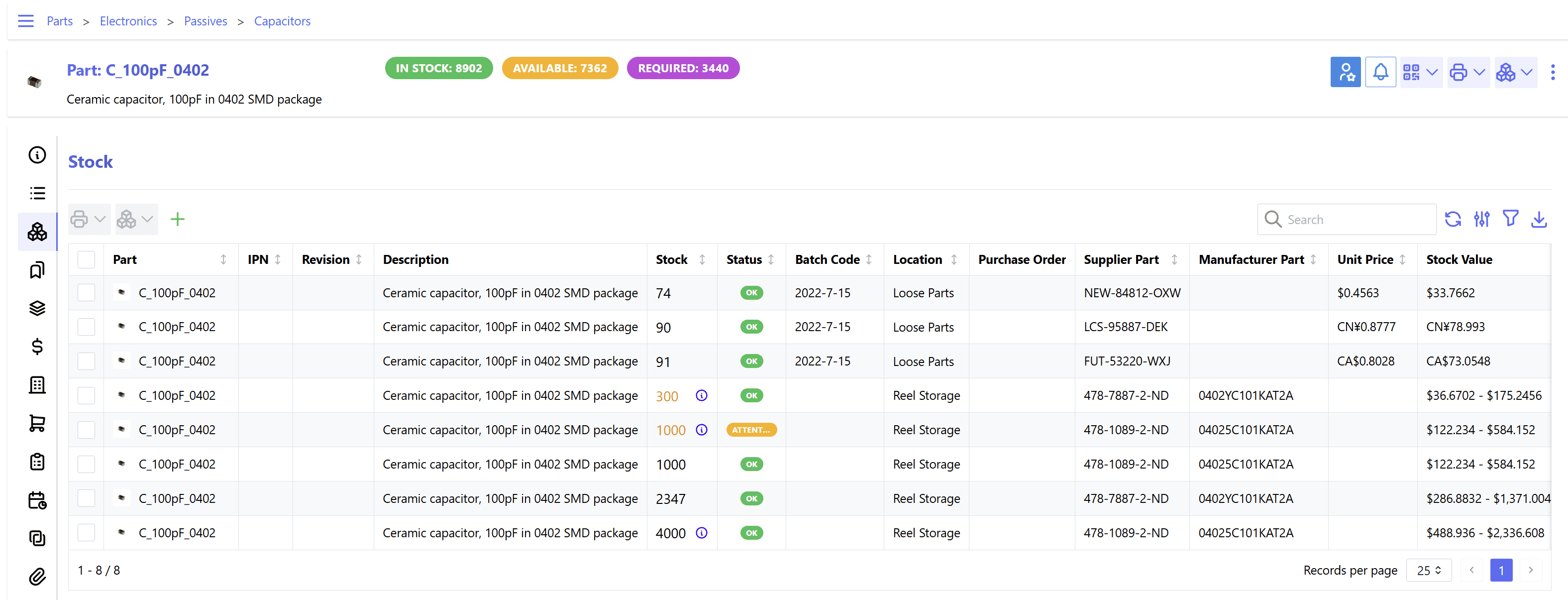
Open-Source Inventory Management System.This is an inventory management platform developed with Python and Django, featuring a web management interface and REST API services, and supporting functions like barcode-based inventory entry, part tracking, bill of materials, and supplier management.
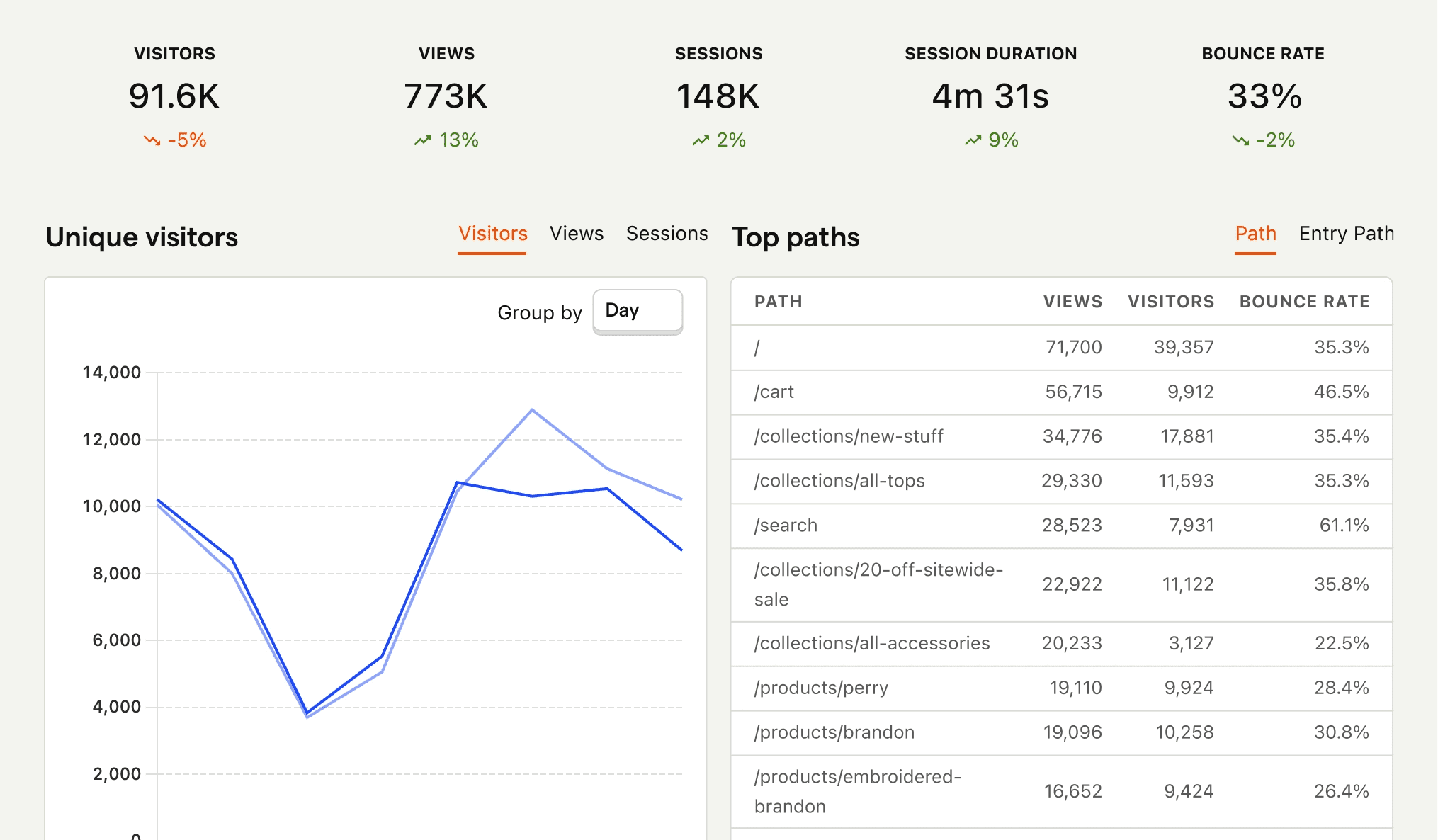
Open Source Product Analytics Platform. This is a product analytics and user tracking platform built with Django. It offers a suite of features, including event tracking, funnel analysis, cohort analysis, A/B testing, and more, suitable for understanding user behavior and improving product experience scenarios.
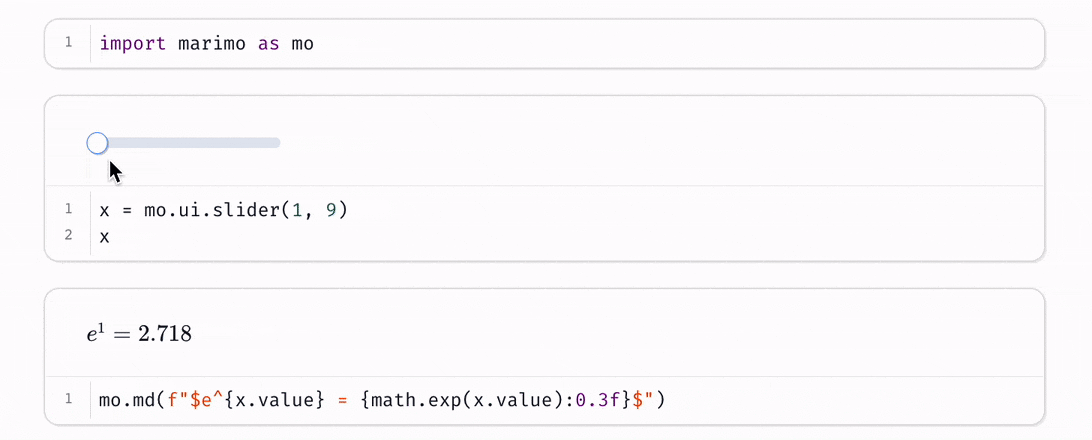
Innovative Responsive Python Notebook. This project is a responsive notebook tailored specifically for Python, designed to automatically execute and update the dependent code cells upon interaction with the user interface, ensuring the consistency of code and output. It is stored as a pure Python file, facilitating management and execution, and supports being run as a script or deployed as an interactive web application.
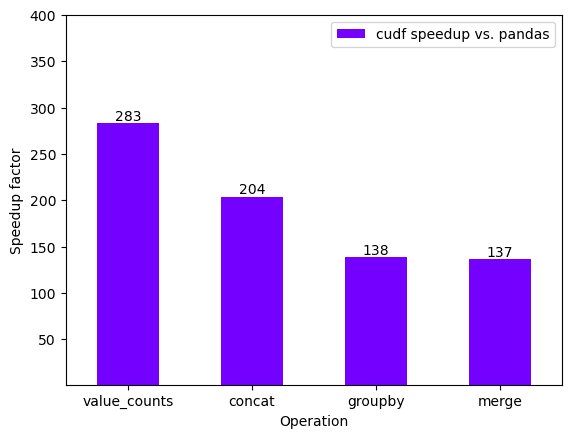
Database Processing Python Library Supporting GPU. It is equivalent to pandas with GPU support, which significantly boosts the speed of data processing. It provides an API similar to pandas, supporting operations on data such as loading, merging, aggregating, filtering, and more.
import cudf, requests
from io import StringIO

url = "https://github.com/plotly/datasets/raw/master/tips.csv"
content = requests.get(url).content.decode('utf-8')

tips_df = cudf.read_csv(StringIO(content))
tips_df['tip_percentage'] = tips_df['tip'] / tips_df['total_bill'] * 100

# display average tip by dining party size
print(tips_df.groupby('size').tip_percentage.mean())
Lightweight Text Chunking Python Library. This is a lightweight text chunking library designed specifically for RAG applications. It is easy to use and fast, capable of splitting text into fixed sizes, supporting various tokenizers, vector models, and flexible chunking strategies, suitable for long text processing and constructing RAG applications.
from chonkie import TokenChunker
from tokenizers import Tokenizer

tokenizer = Tokenizer.from_pretrained("gpt2")
chunker = TokenChunker(tokenizer)

chunks = chunker("HelloGitHub! Chonkie, the chunking library is so cool! I love the tiny hippo hehe.")

for chunk in chunks:
    print(f"Chunk: {chunk.text}")
    print(f"Tokens: {chunk.token_count}")
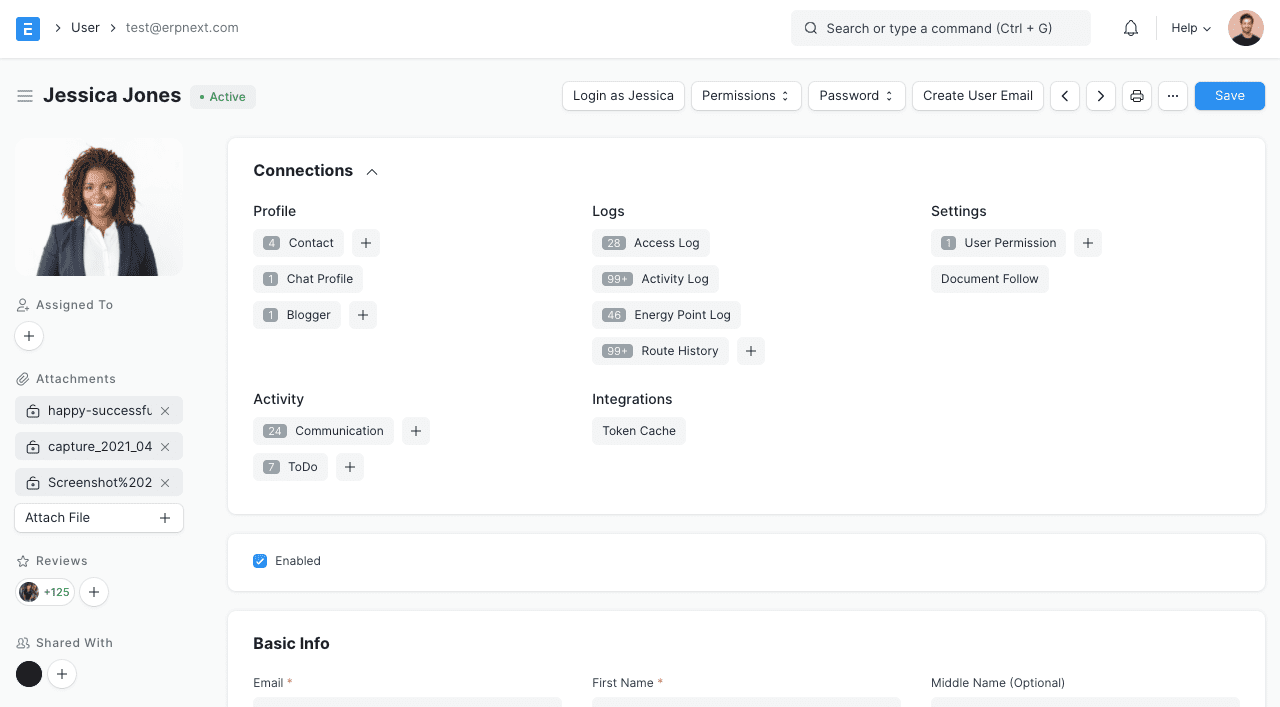
A Fully Open Source ERP System. This is an Enterprise Resource Planning (ERP) system developed with Python and JavaScript, suitable for building customer relationship, human resources, sales/purchase/warehouse, finance, and other management systems for medium/large enterprises.
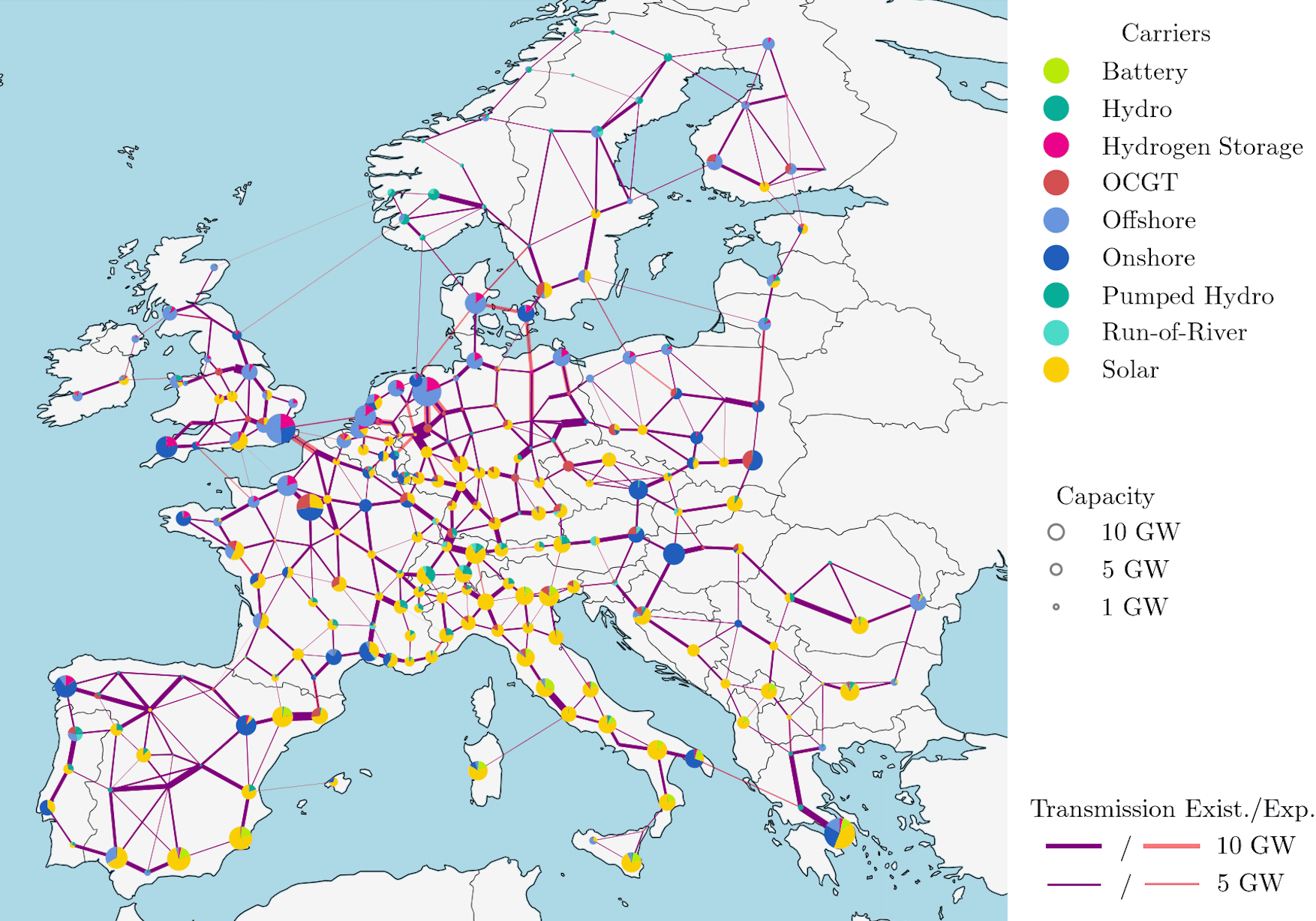
Power System Analysis Python Library. This is a Python library for power system analysis, focusing on modeling and optimization of electric and multi-energy systems. It is based on libraries such as Pandas, NumPy, GLPK, Cbc, and can efficiently calculate optimal power flow (OPF), linear and non-linear electric power flows, and supports simulation of various electric and energy system components.
import pypsa

# create a new network
n = pypsa.Network()
n.add("Bus", "mybus")
n.add("Load", "myload", bus="mybus", p_set=100)
n.add("Generator", "mygen", bus="mybus", p_nom=100, marginal_cost=20)

# load an example network
n = pypsa.examples.ac_dc_meshed()

# run the optimisation
n.optimize()

# plot results
n.generators_t.p.plot()
n.plot()

# get statistics
n.statistics()
n.statistics.energy_balance()
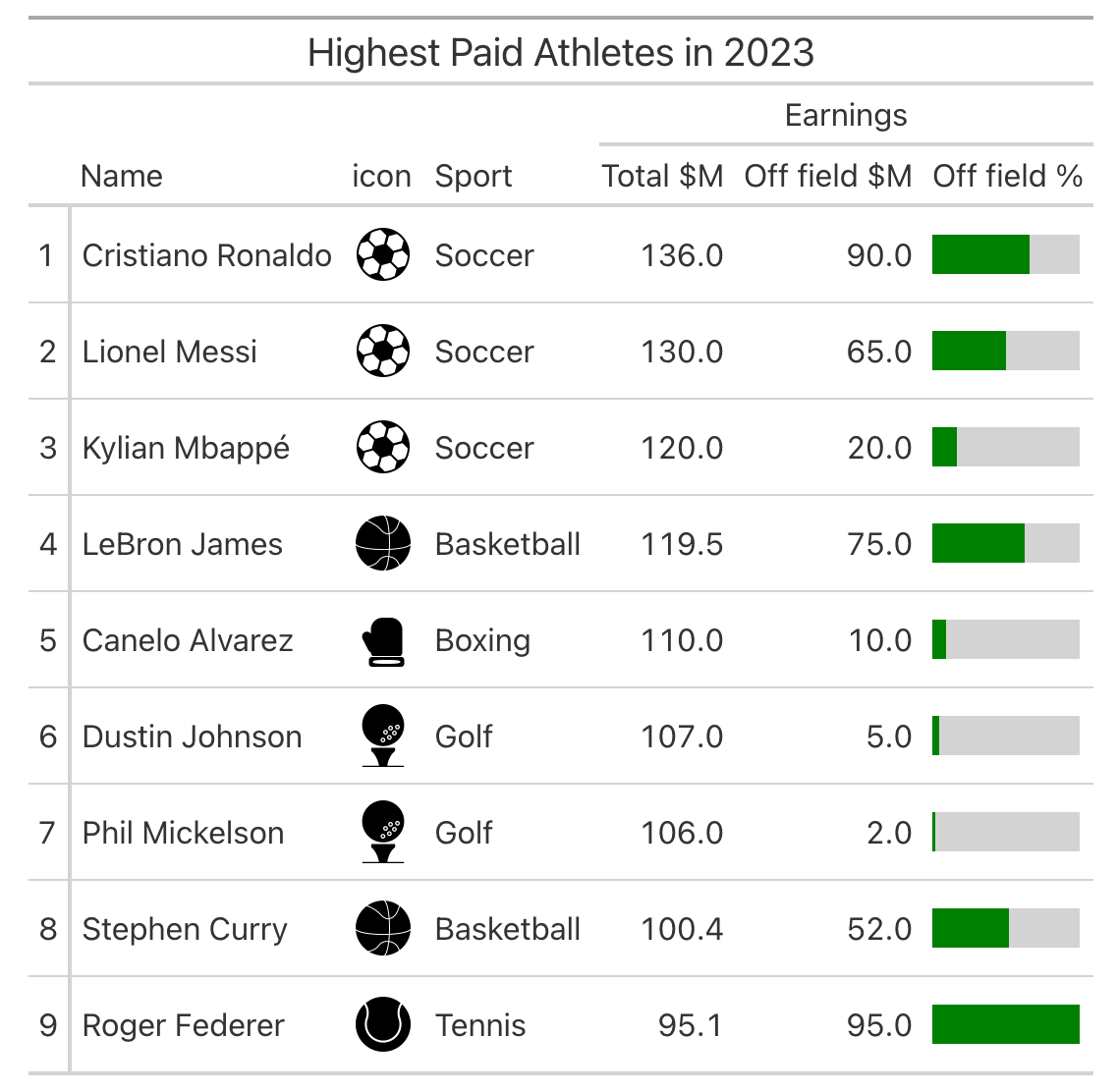
Create Beautiful Tables with Python. This Python library is used for crafting practical and visually appealing tables. It provides a set of table components that can be combined in various ways, such as table headers, footers, row labels (stub), and spanner labels, assisting Python developers in effortlessly creating attractive data tables.
from great_tables import GT
from great_tables.data import sp500

# Define the start and end dates for the data range
start_date = "2010-06-07"
end_date = "2010-06-14"

# Filter sp500 using Pandas to dates between `start_date` and `end_date`
sp500_mini = sp500[(sp500["date"] >= start_date) & (sp500["date"] <= end_date)]

# Create a display table based on the `sp500_mini` table data
(
    GT(sp500_mini)
    .tab_header(title="S&P 500", subtitle=f"{start_date} to {end_date}")
    .fmt_currency(columns=["open", "high", "low", "close"])
    .fmt_date(columns="date", date_style="wd_m_day_year")
    .fmt_number(columns="volume", compact=True)
    .cols_hide(columns="adj_close")
)
Python Library for Handling Holidays. This project supports the dynamic generation of statutory holidays announced by countries/regions and provinces, and can quickly determine whether a specified date is a holiday.
from datetime import date
import holidays

cn_holidays = holidays.CN()
date(2021, 10, 1) in cn_holidays  # True
date(2023, 10, 8) in cn_holidays  # False
date(2024, 2, 9) in cn_holidays  # True 我看了下源码还未更新 2024 年的假期
A Hassle-Free Python Code Formatting Tool.This project is an official code formatting tool maintained by the Python Software Foundation (PSF). With few configuration items and reproducible results, just one command can make the code follow a unified style, completely eliminating code style disputes within the team.